
Proprioception

Proprioception is the nervous system’s ability to perceive, at both conscious and unconscious levels and from moment to moment, the body’s position, movement, and balance in space.

In response to environmental and internal stimuli, the proprioceptive system processes, commands, and coordinates both appropriate postural tone and the execution of precise and functional movements.

It is our “sixth sense” and operates without the need for vision, which serves merely as a secondary stabilizer and is subject to age-related decline.

Inefficiency in the proprioceptive system leads to postural issues, predisposes the body to structural damage and injuries, causes premature fatigue, and limits athletic performance.

To stand, walk, or run, a person must continuously monitor their posture and adjust muscle activity as needed to maintain balance.

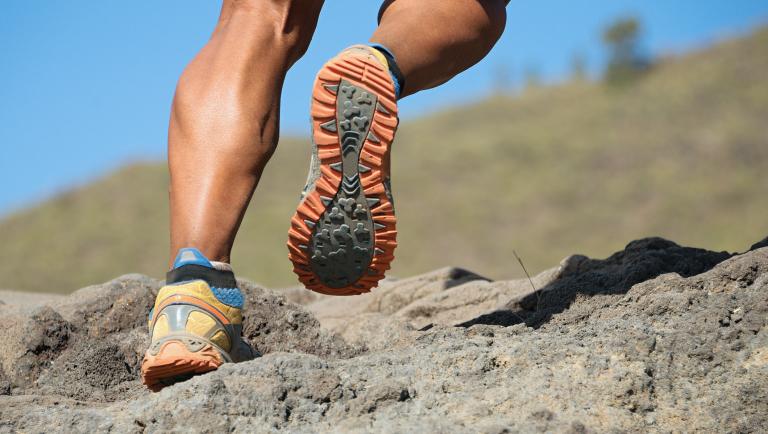
When walking on unfamiliar terrain or even when stumbling an individual must rapidly adjust muscle force based on the position and speed of their limbs.

Proprioceptive reflex circuits play a key role in enabling the rapid, unconscious execution of these actions.

To ensure efficient control of these behaviors, proprioceptors also regulate reciprocal inhibition within the muscles, resulting in the coupling of agonist and antagonist muscle activity.

HOW IT WORKS

PROPRIOCEPTORS

Proprioceptors are receptors that gather data on tension and relaxation, they are located within muscles, tendons, and joints.
THE CENTRAL NERVOUS SYSTEM

Comprising the brain and spinal cord, receives signals from the proprioceptors and creates a real-time map of the body.
MOVEMENT

It is the results from the interaction between proprioceptors and the brain, enabling us to perform daily actions safely and in a coordinated manner.

We are able to walk in the dark or touch our noses with our eyes closed.

WHAT IT IS FOR

STABILITY

To provide stability for maintaining balance, whether stationary or in motion.

PREVENTION

As a preventive measure to reduce the risk of falls or reinjury.
HOW TO TRAIN

Using exercises on unstable surfaces such as proprioceptive cushions or balance boards while standing on one leg, to activate functional stabilizing mechanisms.